The Super Mario Bros. games launched on the Nintendo Entertainment System (NES). This was the first Nintendo home console known as the Famicom in Japan. This website provides information about each of the games, including gameplay footage.
| NES | Famicom |
|---|---|
|
|
|
| Release Date: | |
|---|---|
| JP: | 13th Sep 1985 |
| USA: | 17th Nov 1985 |
| EU/UK: | 15th May 1987 |
| AUS: | 1st Jul 1987 |
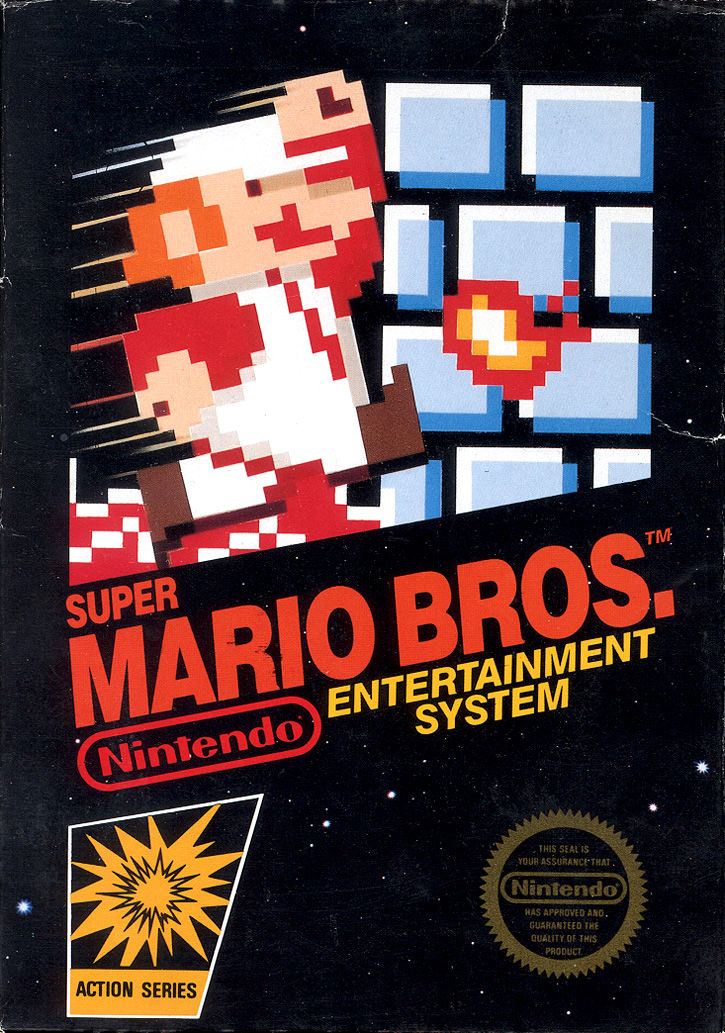
The character Mario first appeared in single screen arcade games. The first being Donkey Kong (known then as Jump Man) and Mario Bros. Super Mario Bros. had side-scrolling levels which were platforming obstacle courses that the player had to progress through to reach the flag pole at the end. The game introduced series staples, inluding common enemies like the Goombas and power-ups like the fire flower.
The game was bundled with the Nintendo Entertainment System at launch in the USA and EU/UK regions. The game and console were highly successful. Super Mario Bros. went on to sell over 40 million copies worldwide.
| Release Date: | |
|---|---|
| JP: | 3rd Jun 1986 |
| USA: | N/A |
| EU/UK: | N/A |
| AUS: | N/A |
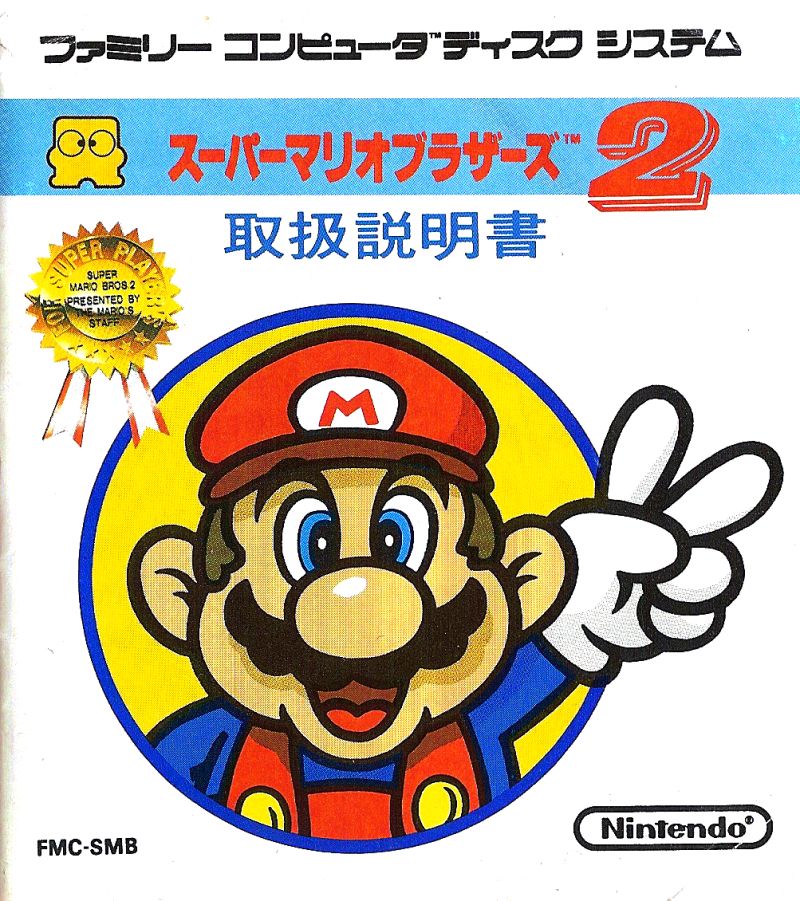
The first sequel to Super Mario Bros. was released in Japan in 1986. The graphics and gameplay were mostly the same as the previous game. New levels were included and levels from the previous game were extended and more difficult. The game also featured altered enemy behaviour and the poison mushroom which would harm Mario if touched.
The game would be released in the west under the name Super Mario Bros.: The Lost Levels. This was included on the compilation release Super Mario All Stars for the 16-bit Super Nintendo Entertainment System. This compilation included the other three NES games with updated graphics and sound.
| Release Date: | |
|---|---|
| JP: | N/A |
| USA: | 9th Oct 1988 |
| EU/UK: | 28th Apr 1989 |
| AUS: | 4th May 1989 |
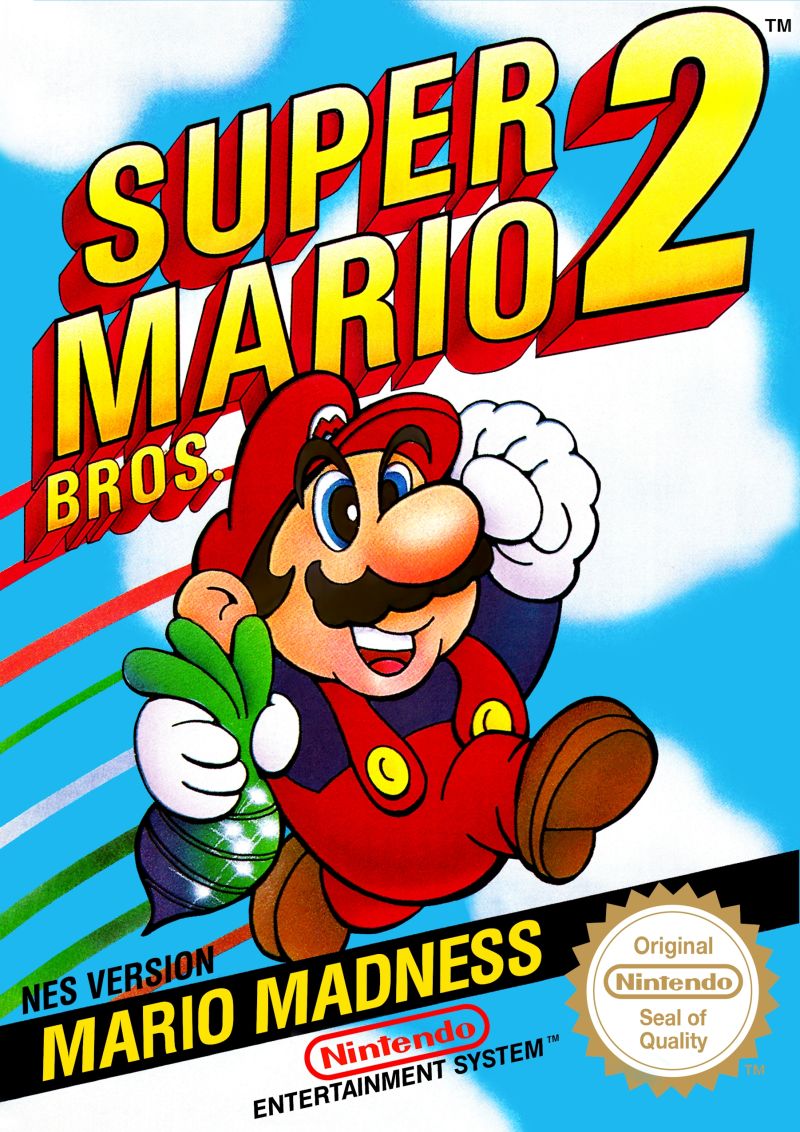
The NES was so successful in the USA that the games console market in this region was revived, after the crash in 1983. Nintendo of America (NOA) was building the NES brand with a sales message focused on family fun. NOA rejected the original Japanese release of SMB 2 because it was thought that the difficulty was too severe. Therefore, it wasn't seen as a good fit for the North American and Western market as a whole. It's worth noting the game had acheived critical success in Japan.
A game was released for the Famicom in Japan called Doki Doki Panic. This was a platforming game about a family that was trapped in a dream world. The playable characters were the members of the family, mother, father, son and daughter. It's not known how the following decision was reached, but an SMB sequel was needed for the North American region. The playable characters in Doki Doki Panic were replaced with Mario, Luigi, Princess Toadstool and Toad. With this minor re-skin, the game was released as Super Mario Bros. 2 in USA and EU/UK regions. This is why the gameplay is so unique compared with other 2D games in the series.
| Release Date: | |
|---|---|
| JP: | 23rd Oct 1988 |
| USA: | 12th Feb 1990 |
| EU/UK: | 29th Aug 1991 |
| AUS: | 29th Aug 1991 |
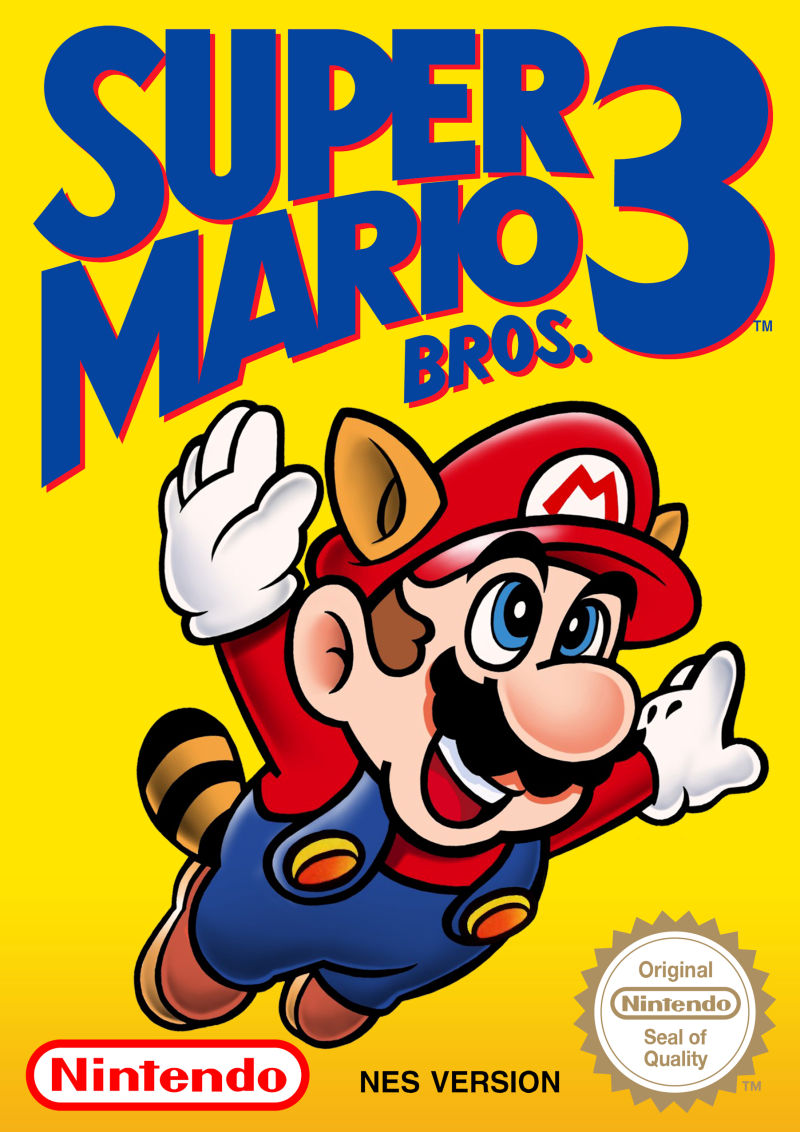
Super Mario Bros. 3 greatly expanded on the gameplay of the first game. The graphics and sounds were a huge leap forward. There were new power-ups and enemy types. There were vertical levels to climb as well as the standard with horizontal progression from left to right. Each world was visualized as a map where the player would move Mario along a path to each level. Each world had a distinct style such as a desert setting, while another was covered in snow. There were bonus levels where players could gain extra power-ups to store in an inventory which could be used prior to starting a level. This inventory, the world maps and secrets to discover, made SMB 3 feel more like an adventure game. A memory chip known as MMC3 (Memory Management Controller) was placed in the game cartridge which made the above enchancements possible.
Super Mario Bros. 3 was a commercial success. Many fans consider this the best of the 2D games, such was the design and creativity. The success of SMB 3 helped Nintendo's aging 8-bit console compete with Sega's more powerful 16-bit Mega Drive which was released in close proximity.